Temperate Coastal Oceans Biome
Waters Around the Continental Shelf
Coastal Oceans are waters that lie above the continental shelf. This is where most of fish come from, where coral reefs grow, and were we swim and play. In fact, while the oceans cover 71 percent of Earth, only 7 percent of that is coastal oceans. This small strip of land is affected adversely by humans in many ways including over-fishing, industrial pollution, and agricultural runoff. These practices may in turn effect us as fish availability varies, algal blooms occasionally occur, and water quality fluctuates through time. Overall, coastal oceans can be generalized more easily by dividing them up into temperate and tropical coastal areas.
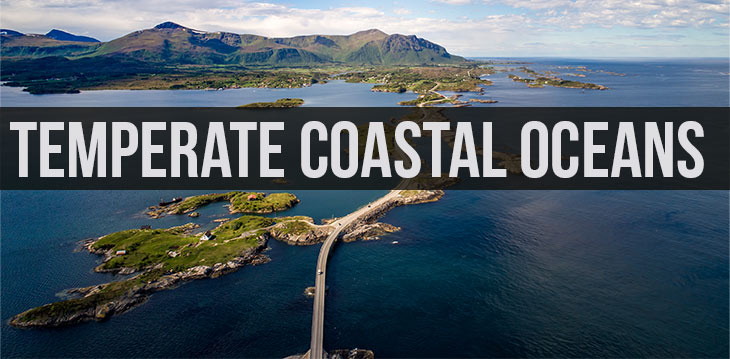
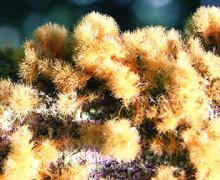
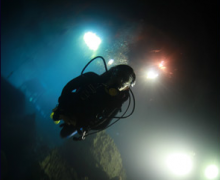
For our video, we chose to examine the temperate Coastal Oceans around the west coast of Sweden, and looked at three animals in this habitat: lobsters, sea pens and jellyfish.
Temperate Coastal Oceans
Tropical Coastal Oceans:
Coastal oceans in tropical areas have similar characteristics to their temperate counterparts. However, there are certain habitats in the tropics that are not found in the temperate regions of Earth. A great example of this is the coral reef.
Coral reefs are biologically diverse and rich habitats that occur in relatively nutrient-poor environments along coastlines. Areas that have too many nutrients often harbor too much algal growth to sustain coral growth. To learn more about the coral reef we have set up an entire page dedicated entirely to this tropical coastal biome.
Related Topics

Waters Around the Continental Shelf
Coastal Oceans are waters that lie above the continental shelf. This is where most of fish come from, where coral reefs grow, and were we swim and play. In fact, while the oceans cover 71 percent of Earth, only 7 percent of that is coastal oceans. This small strip of land is affected adversely by humans in many ways including over-fishing, industrial pollution, and agricultural runoff. These practices may in turn effect us as fish availability varies, algal blooms occasionally occur, and water quality fluctuates through time. Overall, coastal oceans can be generalized more easily by dividing them up into temperate and tropical coastal areas.
For our video, we chose to examine the temperate Coastal Oceans around the west coast of Sweden, and looked at three animals in this habitat: lobsters, sea pens and jellyfish.
Temperate Coastal Oceans
Tropical Coastal Oceans:
Coastal oceans in tropical areas have similar characteristics to their temperate counterparts. However, there are certain habitats in the tropics that are not found in the temperate regions of Earth. A great example of this is the coral reef.
Coral reefs are biologically diverse and rich habitats that occur in relatively nutrient-poor environments along coastlines. Areas that have too many nutrients often harbor too much algal growth to sustain coral growth. To learn more about the coral reef we have set up an entire page dedicated entirely to this tropical coastal biome.